Week 27, 2026
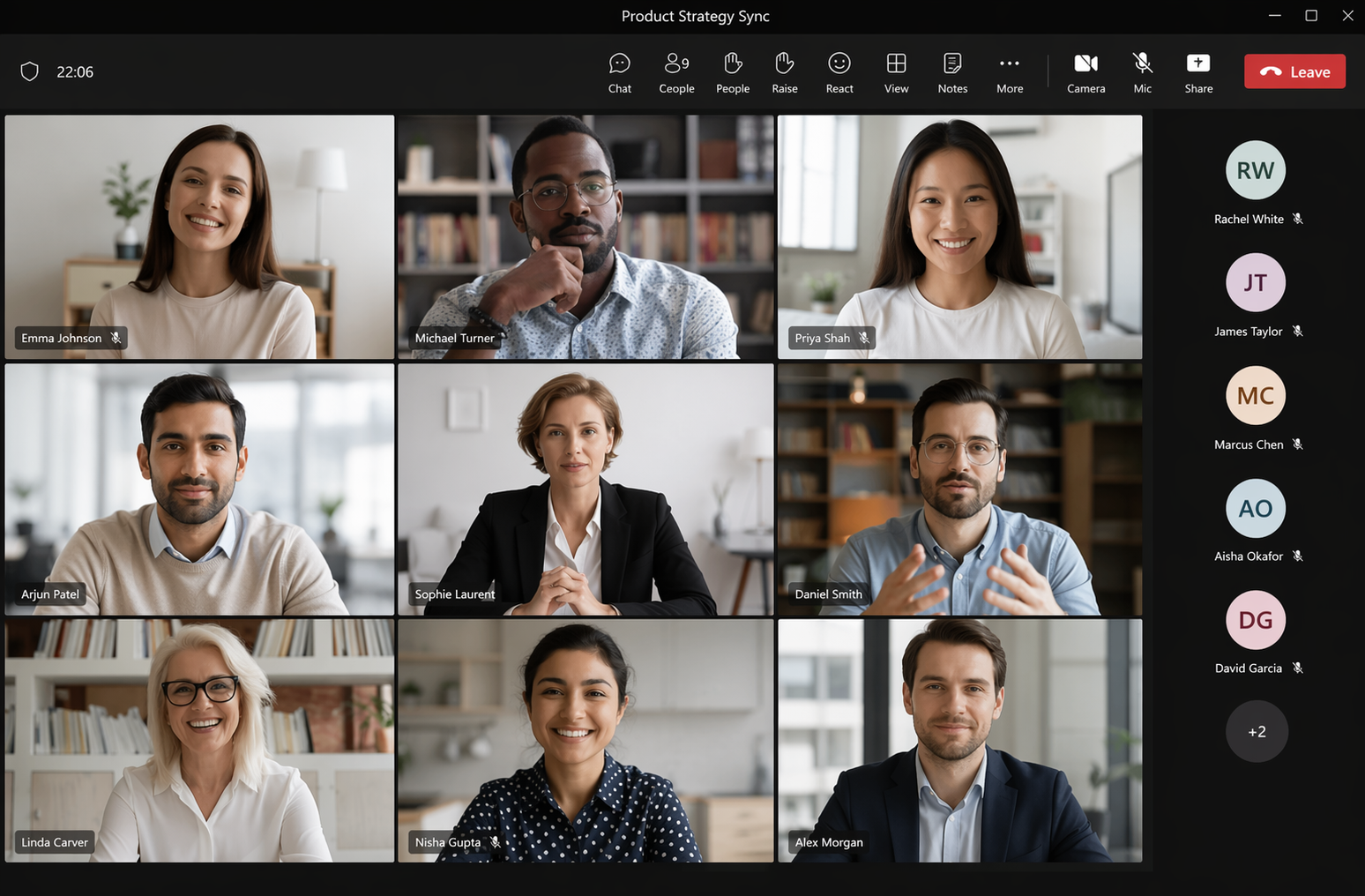
I still remember how excited I was before I moved into Product Management. In my head, it was all very clear. I would define product strategy. I would shape the future. I would make bold, data‑driven decisions and build something meaningful. Fast forward to my first few weeks in the role and I found myself opening yet another meeting with, “Can everyone see my screen?” Somewhere between the vision and reality, something shifted. Not in a bad way, but in a way no one really prepares you for. The biggest surprise about Product Management isn’t the product. It is everything around it. Everyone wants to become a Product Manager until they become a Product Manager.
Before becoming a PM, I imagined sitting down and shaping direction. After becoming a PM, I realized that most of the work happens long before anything looks like a decision. I used to think I would make data‑driven calls. Instead, I often find myself asking, “Can someone share the latest dashboard?” I thought I would own the roadmap. The reality feels more like the roadmap owns me. It is constantly moving, constantly being pulled, constantly negotiated. I thought I would launch groundbreaking features. What I actually learned is how often things only break once they are already live. The sentence “The bug only happens in production” has a very specific weight to it. That was the moment I started understanding that most product problems start as people problems.
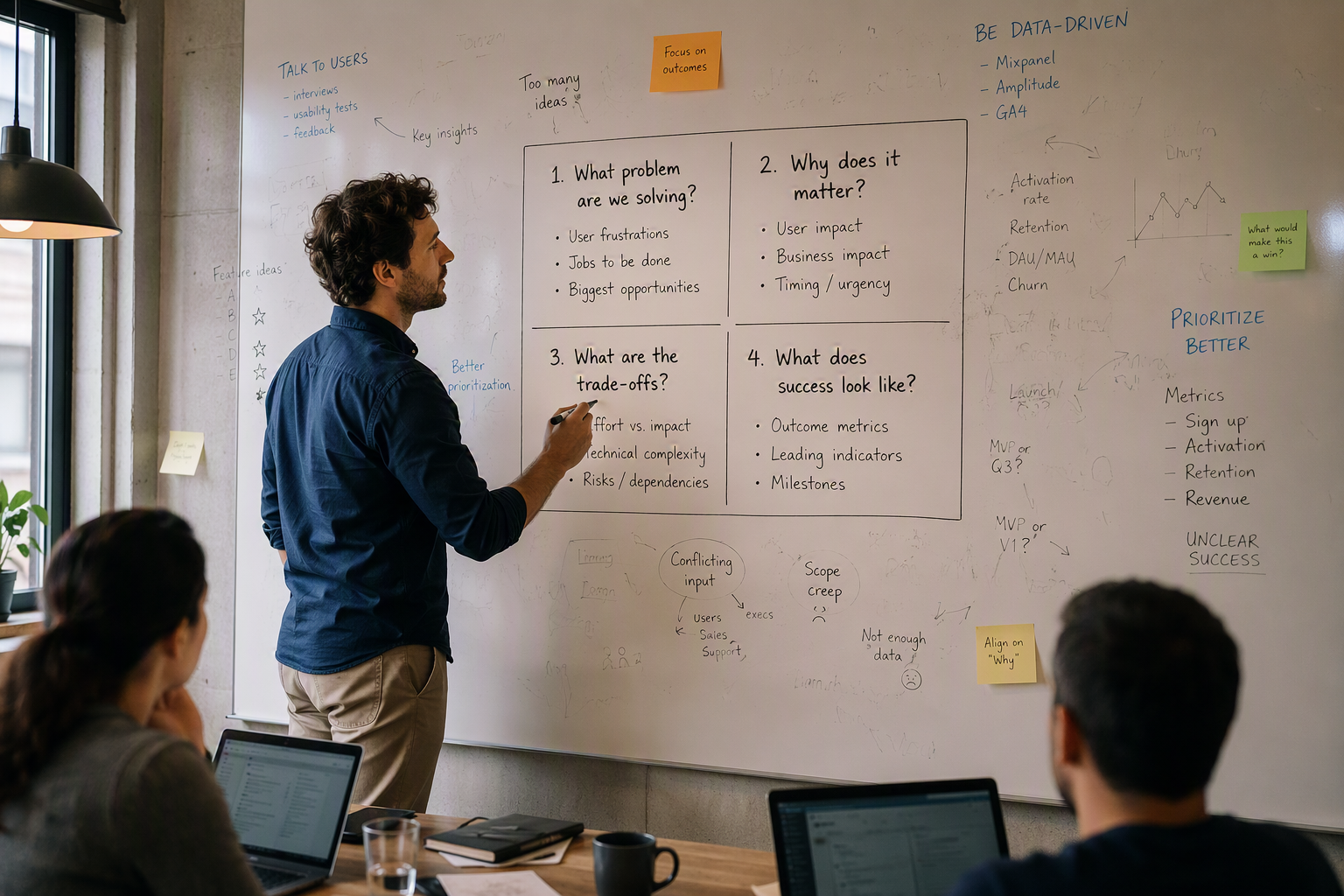
And this is the part no one really talks about. Product Management is often described with words like strategy, vision, and innovation. All of that is true, but it is not what fills your calendar. Your calendar fills up with alignment, discussions, clarification, trade‑offs, and a surprising amount of repetition. You repeat context because people need it, not because they are not capable, but because they are focused on different things. You sit in meetings that look unproductive on the surface, but are actually quietly preventing bigger problems later. You negotiate priorities between groups that all believe they are right, and in many ways they are. Strategy matters, but alignment is unavoidable. Features create possibilities. Alignment makes them real.
At some point, I realized I had become something I never expected. I had become a translator. Customers speak in outcomes. Sales speaks in opportunities. Engineering speaks in feasibility. Design speaks in experiences. Leadership speaks in direction. And I sit in the middle trying to connect it all into something that makes sense. Customer to Engineering. Engineering to Leadership. Leadership to Design. Design to Sales. Sales back to Customer. And somehow everyone looks at me when something does not align. I have said “Can we align on requirements first?” more times than I can count. I have also scheduled more follow‑up meetings than I care to admit. But over time, I learned that this is not overhead. This is the work. The strongest Product Managers I have seen are not the ones with the best frameworks. They are the ones who create shared understanding early, reduce ambiguity before it spreads, and make sure everyone is working on the same problem, not just the same feature.
Looking back, I do not think Product Management is about controlling the roadmap or shipping the most features. It is about bringing people together who naturally see things differently and helping them move in one direction. That takes patience. It takes communication. It takes listening much more than speaking. If you are moving into Product Management, or trying to grow in the role, focus on the part that is hardest to see. Learn communication before frameworks. Learn alignment before prioritization. Learn listening before influencing. Clarify expectations early. Repeat context more than feels comfortable. Treat misunderstandings as real risks to your product. Invest in shared understanding like you would invest in any critical feature. Because in the end, the biggest surprise about Product Management is not the product. It is realizing that products are often easier to manage than expectations. And the better you become at managing expectations, the better product manager you become.
DISCLAIMER: This post reflects my personal views and experiences as a product manager. It does not represent the views, strategies, or opinions of my employer or any organization I am affiliated with.